AI is Transforming How Formula 1 Teams Hunt for Competitive Margins
Formula 1 has long been defined as the pinnacle of motorsport, a discipline built on raw speed, meticulous precision, and the relentless pursuit of incremental marginal gains. Behind every driver sits a sprawling, coordinated operation of engineers, race strategists, aerodynamic designers, and backroom factory staff, all hunting for every tiny competitive edge they can uncover. This culture of constant innovation has turned F1 into an ideal real-world proving ground for technology companies, and a growing cohort of artificial intelligence firms are now partnering with teams up and down the starting grid.
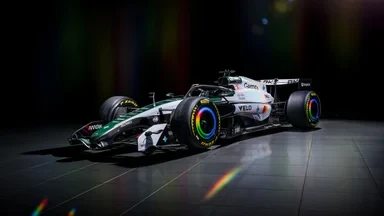
McLaren Mastercard Formula 1 Team, the sport’s second-oldest active entry, is a leading example of this new tech integration. Ahead of this year’s British Grand Prix, the squad is unveiling a one-off special livery—the custom exterior design of its race car—created in exclusive partnership with Google Gemini. The design draws creative inspiration from McLaren’s very first Formula 1 car, the M2B, serving as a tribute to the team’s rich history while shining a spotlight on its ongoing push to develop AI-assisted performance tools.
“This is an authentic, purpose-driven partnership, not just a branding exercise,” says Dan Keyworth, McLaren’s Executive Director of Performance Technology. “Everything we’re doing with Google, particularly Gemini, has one clear objective: to make our car faster. It also gives us access to some of the most advanced technology in the world, which is critical in an industry that evolves at an incredible pace.”
While the custom livery is the most visible public outcome of the partnership, the far more impactful work is unfolding behind the scenes. As part of their agreement, McLaren has collaborated with Google Cloud to build custom AI tools powered by Gemini, including a live data interface used exclusively during race weekends. The system aggregates information from dozens of disparate sources mid-session, and allows McLaren team members to query the full dataset using natural, conversational language.
“Take a Saturday qualifying session, for example,” Keyworth explains. “In the past, comparing our performance data against that of two competitors would take us hours, and require a huge amount of manual labor from our team. Now, analysts can pull direct comparisons with other drivers and rivals in minutes, and the system gives us clear, actionable insights into where we can improve.”
McLaren’s AI integration is just one part of a broader shift across the entire Formula 1 paddock, where teams now treat AI as an entirely new source of those game-changing marginal gains. Oracle Red Bull Racing is developing an AI-powered race strategy agent, Mercedes-AMG Petronas uses Microsoft Azure to scale up AI-supported vehicle simulation and race modeling, and Aston Martin Aramco has signed dedicated AI partnerships with both Cohere and Arm.
In a sport where even a tiny delay can upend the final outcome of a race, faster access to targeted insights can make all the difference. While these tools are primarily used by the behind-the-scenes engineering teams working to support drivers, McLaren notes their benefits filter through to every level of race operations: from trackside strategy and car setup decisions to the split-second calls made from the pit wall.
McLaren driver Oscar Piastri adds that a core part of his role is bridging the gap between driver experience and hard data. A major part of his job, he explains, is outlining what he needs from the car, describing how it handles from the cockpit, and helping engineers connect his subjective on-track impressions to the objective data their systems collect.
AI is Transforming How Formula 1 Teams Hunt for Competitive Margins